
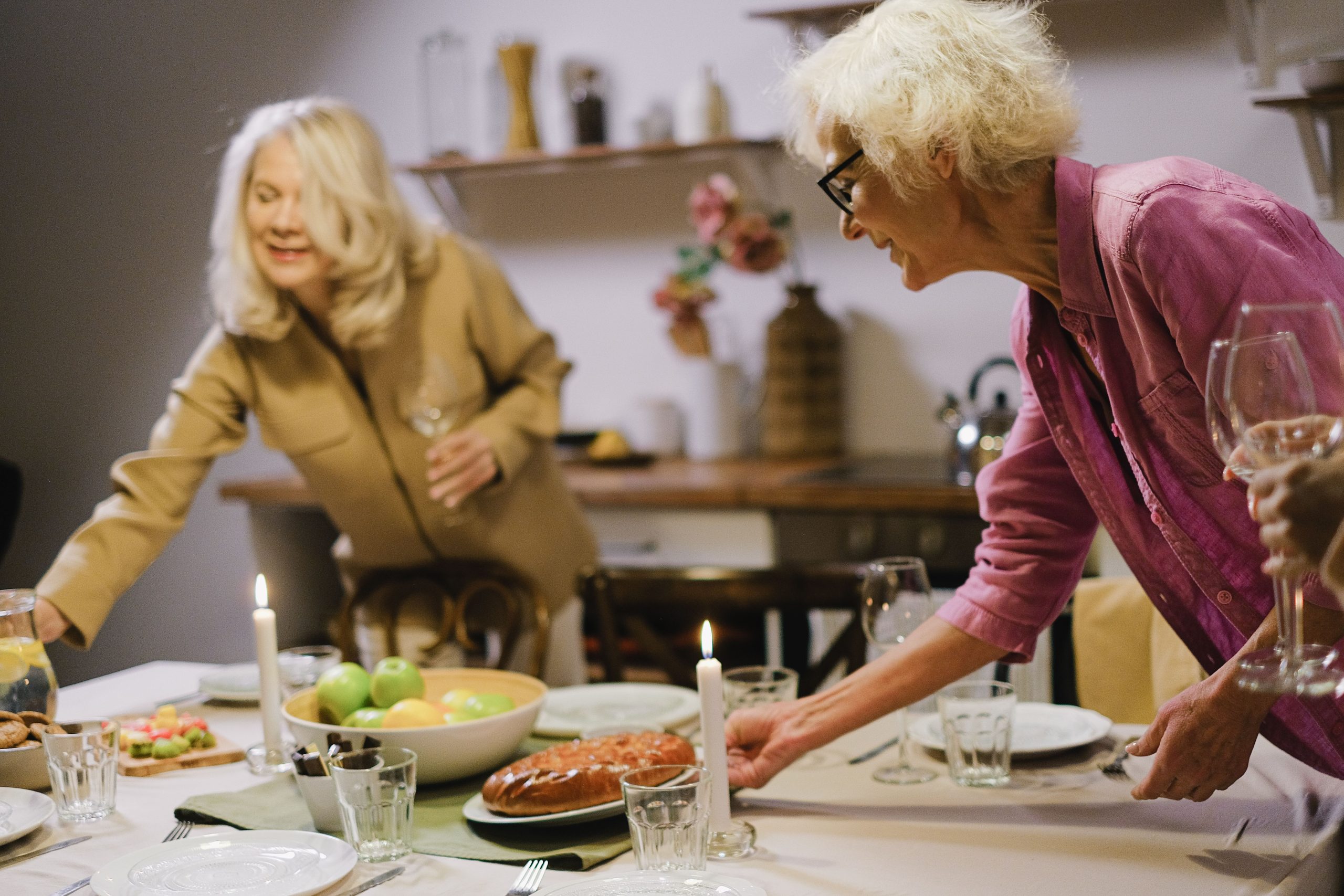
A cheerful embroidered T-shirt from shopatrays can sometimes bring an unexpected smile to the dinner table. But beyond the little touches that add fun, mealtime should ultimately be an experience where aging parents feel respected, comfortable, included, and genuinely cared for.
For older parents, sharing a meal represents far more than what happens to be served on the plate. It can be a chance to feel connected, appreciated, and included in family life. When caregivers create a warm and welcoming environment around meals, an ordinary daily routine can become a meaningful opportunity for companionship.
Why does mealtime matter so much?
As people get older, eating and drinking may sometimes become more challenging. Changes in appetite, medication routines, movement, dental health, taste preferences, and energy can all influence how much someone wants to eat. Some seniors may also find themselves eating alone more frequently, particularly after losing a spouse, becoming less connected with friends, or having difficulty traveling and participating in social activities.
For these reasons, mealtime may require a little more patience, understanding, and warmth.
Caregivers do not have to prepare complicated dishes or make every meal feel like a special occasion. Often, simple gestures have the greatest impact. Pulling out a chair, asking what someone feels like eating, remembering a favorite dish, or sitting beside them for a few minutes can communicate something important: they are not a burden. They are still an important part of the family.
Focus on the person before the food.
Good nutrition matters, but an older adult should never be viewed simply through calories, nutrients, or dietary limitations.
Before planning the meal, think about the individual sitting at the table. Which foods have they always loved? What meals are comfortable and enjoyable for them? Do they prefer breakfast early in the morning or later in the day? Do they appreciate quiet meals, or do they enjoy talking while they eat?
Giving older adults reasonable choices can help maintain their sense of independence. Rather than saying, “You need to eat this,” try asking, “Would you prefer soup or a sandwich today?” Such a small adjustment demonstrates consideration and respect.
Even when medical needs require dietary changes, caregivers can still look for ways to preserve familiar flavors, textures, and preferences. Healthy meals should support someone’s well-being without making them feel as though they are being punished for needing a different diet.
Create a comfortable and inviting dining environment.
The surroundings can have a surprising effect on how much someone enjoys a meal.
Keep the table clean, comfortable, and uncluttered. Choose plates, cups, and utensils that are simple to grip and use. Make sure the chair offers sufficient support and provide enough lighting for the person to see their food clearly. If hearing is difficult, reducing television or other background noise can make conversations easier to follow.
Then, consider adding something personal.
A favorite tablecloth, familiar cup, colorful flowers, or music connected to happy memories can make an ordinary meal feel more meaningful. A little humor can help too. A funny story, an old family memory, or a playful shirt can create an opening for conversation and laughter.
These details may appear insignificant, but care is often communicated through small, thoughtful actions. Dignity is preserved through repeated moments of consideration and kindness.
Turn meals into moments of connection.
For many families, conversation is one of the greatest gifts that comes from eating together.
There is no need to overwhelm an elderly parent with questions. Instead, invite them to share memories. Ask what meals their parents prepared when they were young, which foods they remember loving as children, or what family celebrations they remember most clearly.
These conversations remind older family members that their experiences have value—and they truly do.
You may even uncover recipes, traditions, or stories that have been quietly passed through the family for generations. Write those memories down. Photograph old recipe cards. Encourage younger family members to listen. In this way, a familiar meal can become a connection between generations.
For busy caregivers, this can also be comforting. Showing affection does not always require hours of free time. Sometimes, sitting attentively beside someone for ten minutes during dinner can mean more than spending an entire afternoon completing chores while barely having time to connect.
Avoid turning food into a source of stress.
One of the most challenging experiences for caregivers is noticing that an older loved one is eating less than they once did.
Concern is completely understandable. However, repeatedly insisting, criticizing, or arguing about food can cause mealtimes to become tense. If an older adult regularly has little appetite, experiences unexplained weight loss, struggles with swallowing, or develops other concerning changes, caregivers should speak with an appropriate healthcare professional.
At home, focus on making meals attractive, manageable, and easy to eat. Smaller servings can feel less overwhelming than a large plate filled with food. Nutritious snacks between meals may also be helpful when appropriate. Keeping preferred healthy foods nearby gives someone the opportunity to eat when their appetite returns.
Above all, respond with patience.
Having difficulty encouraging someone to eat does not mean you are doing a poor job as a caregiver. Appetite and eating habits can vary considerably from one day to another.
Make food and drinks simple, safe, and enjoyable.
Eating well in later life does not have to be complicated.
While following any medical recommendations or individual dietary requirements, aim for a variety of foods containing protein, fiber, fruits, vegetables, whole grains, and beneficial fats. Depending on a person’s health and ability to eat safely, options such as eggs, yogurt, beans, lentils, fish, soft meats, cooked vegetables, fruit, oats, and nut or seed spreads can all be useful choices.
When appropriate, invite your loved one to participate in meal preparation. They might choose vegetables, stir ingredients, arrange napkins, or select which recipe the family will make. Involvement can restore a sense of purpose and turn eating from something being done for them into an activity everyone shares.
Presentation can make a difference as well. A colorful fruit bowl, warm soup served in a favorite cup, or toast cut into manageable pieces can make food feel more appealing and approachable.
Hydration deserves attention too. Older adults may not always recognize thirst as strongly as they did when they were younger. Offering water regularly, along with hydrating foods and suitable beverages, can help make drinking fluids a natural part of the daily routine.
Remember that caregivers need care too.
The well-being of the caregiver matters.
Caring for an older loved one can be deeply rewarding, but it can also become physically and emotionally draining. Grocery shopping, meal preparation, medications, medical appointments, household tasks, transportation, and emotional support can quickly become overwhelming. When someone is exhausted, even making a simple lunch can feel like another responsibility on an already full list.
If you recognize yourself in this situation, try not to blame yourself.
You do not have to prepare every meal completely on your own. Accepting assistance from relatives, neighbors, community groups, or meal programs does not mean you care any less. In fact, receiving support can preserve your energy and help you continue providing care with patience and compassion.
Whenever possible, divide responsibilities. One family member might handle breakfast while another prepares dinner. A neighbor could occasionally bring over homemade soup. A grandchild might visit for a weekend lunch.
Caregiving becomes more sustainable when everyone contributes.
Leave room for happiness at the table.
Some days will go beautifully. The meal will be enjoyable, stories will be shared, and everyone will leave the table smiling. Other days may look completely different. Your parent might feel tired, worried, distracted, or simply have no appetite.
That is perfectly normal.
The goal is not to create an ideal caregiving experience every single day. What matters most is creating an environment where an older adult feels respected and valued.
Sometimes care looks like a carefully prepared meal. Other times, it may be a simple sandwich eaten together on the couch. It could be a cup of tea, a familiar joke, or a few peaceful minutes spent sitting beside someone you love.
These ordinary experiences can become some of the most meaningful memories.
As caregivers, we may never know which small gesture will stay with someone—remembering their favorite dish, pulling up a chair, laughing together at dinner, or patiently responding to a question they have asked many times.
These quiet expressions of love may seem ordinary, but they can carry enormous meaning.
A welcoming table represents much more than food.
Proper nutrition plays an important role in physical health, but caring for an older adult at mealtime also means recognizing the person behind the plate and supporting their emotional well-being.
When caregivers make meals welcoming—offering choices, listening carefully, respecting preferences, and creating opportunities for laughter and conversation—they provide something nutrition alone cannot deliver: belonging and human connection.
So, the next time you share a meal with an aging parent, slow down if you can. Put aside the rush for a moment. Ask what they would enjoy. Listen to a story. Share a smile.
You may be doing far more than putting food on the table.
You may be reminding them that they are loved, that their experiences and opinions still matter, and that they continue to have an important place within the family.
At ‘Mobile Meals,’ we believe those moments are a meaningful part of nourishment. A meal can feed the body, but kindness, companionship, and respect can nourish the heart in ways that last far beyond the final bite.