Growing older brings many changes, from shifting energy levels to new physical limitations and changing daily routines. For some seniors, staying active feels natural and enjoyable. For others, the very thought of exercise brings up memories of exhausting workouts, uncomfortable gym equipment, or activities that simply do not sound appealing. And that is perfectly understandable.
The good news is that staying active does not have to mean lifting weights, running on a treadmill, or following a strict fitness routine. Movement can be gentle, enjoyable, and woven into the everyday moments that make life meaningful. A short walk with a friend, watering plants in the garden, preparing a favorite meal, or dancing to a familiar song can all help older adults maintain mobility and independence.
At Nourishing Neighbors, we believe every senior deserves to feel supported, valued, and encouraged to live life as fully as possible. With a little creativity, patience, and kindness, staying active can become less about exercise and more about enjoying each day.
1. Start With Activities That Feel Like Fun
One of the easiest ways to help seniors become more active is to stop thinking of movement as exercise. Instead, focus on activities they already enjoy.
A senior who dislikes walking for fitness might happily stroll through a garden to admire the flowers. Someone who avoids workout classes might enjoy gentle dancing in the living room. Another person may prefer spending time outdoors, visiting a local market, or playing with grandchildren.
These activities offer opportunities to move without the pressure of completing a workout.
For example, imagine an older neighbor who loves gardening but has gradually stopped tending to her flower pots because she feels she is no longer active enough. With a comfortable chair, lightweight gardening tools, and help arranging the pots at an accessible height, she may rediscover an activity that brings her both movement and happiness.
The goal is not to turn every hobby into a fitness plan. It is to recognize that enjoyable activities can support physical well-being while bringing purpose and pleasure to daily life.
2. Make Small Movements Part of the Daily Routine
For seniors who dislike exercise, the idea of setting aside thirty minutes for physical activity may feel overwhelming. Breaking movement into smaller moments can make it much more manageable.
Simple activities throughout the day can help older adults avoid sitting for excessively long periods and maintain everyday mobility.
Here are a few practical ideas:
- Stand up and stretch gently after watching a television program.
- Walk around the home while talking on the phone, if balance and mobility allow.
- Water indoor plants or tend to a small garden.
- Put away lightweight household items at a comfortable pace.
- March gently in place while waiting for the kettle to boil, using stable support if needed.
- Take a brief walk down the hallway after meals.
These small efforts may not look like a formal exercise routine, but they can add up over time.
It is important to remember that every person’s abilities are different. Seniors who use mobility aids or spend much of their time seated can also benefit from appropriate movement. Gentle seated marching, ankle circles, and shoulder rolls may be useful options when recommended for their individual needs.
Consistency matters more than perfection. A few comfortable minutes of movement can be a meaningful beginning.
3. Bring Movement Into Social Connections
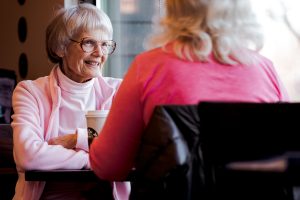
Staying active becomes easier for many people when it includes companionship. For seniors who live alone or feel isolated, social activities can provide an especially welcome reason to get moving.
Instead of suggesting that an older adult exercise alone, invite them to share an activity with someone they enjoy spending time with.
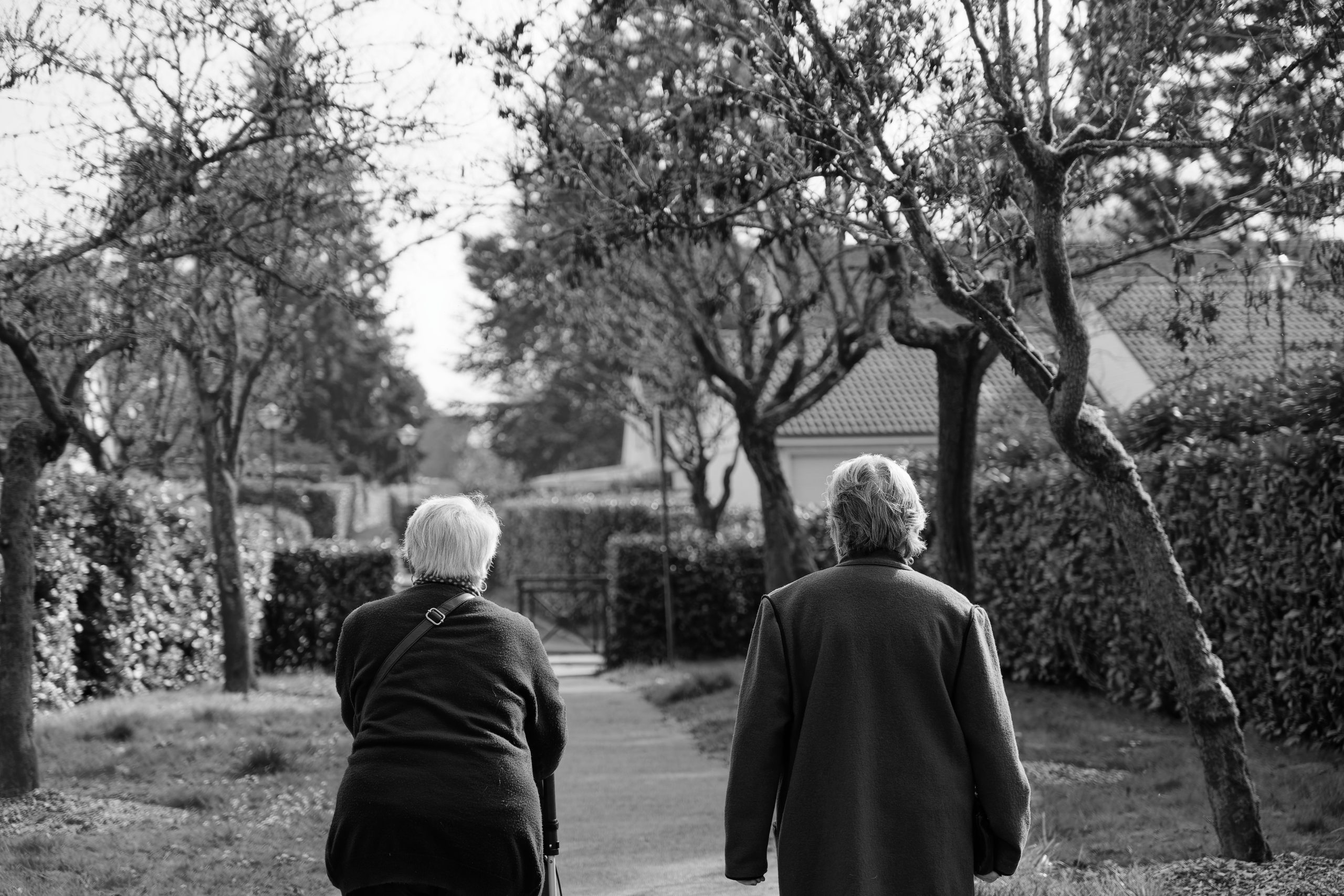
A morning walk with a neighbor, an afternoon visit to a community garden, or a gentle dance session with a family member can turn movement into an opportunity for connection.
Community centers, senior groups, and local organizations may also offer accessible activities such as chair yoga, beginner dance sessions, or group walks. These gatherings allow seniors to enjoy companionship while discovering activities that suit their comfort levels.
For caregivers and volunteers, the way an invitation is offered can make a difference. Rather than saying, “You need to exercise more,” try saying, “Would you like to come outside with me for a few minutes?”
The first approach can sound like criticism. The second communicates companionship and care.
At Nourishing Neighbors, we recognize that meaningful relationships are part of a caring community. Sometimes, the most valuable gift we can offer an older neighbor is simply our time, our patience, and the reassurance that they do not have to do everything alone.
4. Discover the Joy of Music and Gentle Movement
Music has a special way of bringing back memories and lifting the spirit. A familiar melody can remind seniors of family celebrations, favorite dances, or happy moments from earlier years.
For those who dislike traditional exercise, music can make movement feel more natural and enjoyable.
Put on a favorite old song and encourage gentle swaying while seated or standing with secure support. Seniors who enjoy dancing can try simple steps at their own pace. Even clapping along, moving the arms, or tapping the feet to a rhythm can offer opportunities for movement.
Seated movement can be particularly helpful for older adults who have difficulty standing for long periods. Gentle arm raises, foot taps, and shoulder movements may help maintain mobility when performed within a comfortable range.
However, safety should always come first. Seniors with significant balance problems, dizziness, or other health concerns should choose movements suited to their abilities and seek professional guidance when necessary.
There is no need to master a routine or keep up with anyone else. The purpose is to enjoy the music, move comfortably, and experience a little more happiness in the day.
5. Encourage Activities That Support Independence
For many seniors, remaining independent is deeply important. Everyday tasks that once seemed ordinary can become opportunities to maintain strength, coordination, and confidence.
Depending on their abilities, seniors may enjoy folding laundry, preparing a simple meal, arranging flowers, organizing photographs, or walking short distances around familiar surroundings.
These activities allow older adults to contribute to their households and communities while maintaining a sense of purpose.
Caregivers can help by making tasks safer and easier rather than taking over everything automatically. For instance, frequently used kitchen items can be placed within easy reach, a sturdy chair can be provided for seated food preparation, and heavy household chores can be divided into smaller steps.
It is equally important to respect a senior’s preferences. Some older adults enjoy helping with household tasks, while others prefer hobbies, creative projects, or social activities. There is no single right way to stay engaged.
Supporting independence means offering assistance without diminishing dignity. Allow seniors to make choices, set their own pace, and participate in ways that feel meaningful to them.
6. Make Safety and Comfort a Priority
Encouraging movement should never mean pushing seniors beyond their limits. Age-related changes, chronic conditions, joint pain, vision difficulties, and balance concerns can all affect which activities are appropriate.
Before introducing a new activity, consider the person’s current mobility, health needs, and comfort level. Seniors with medical conditions or significant mobility limitations may benefit from guidance from a healthcare professional or physical therapist.
A few simple precautions can help make everyday movement safer:
- Choose supportive footwear with good traction.
- Keep walking areas clear of rugs, loose cords, and clutter.
- Ensure rooms and outdoor paths are well lit.
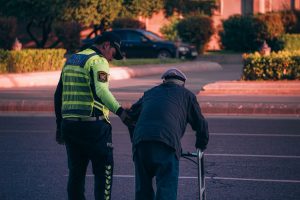
- Use prescribed mobility aids correctly.
- Keep water nearby, particularly in warm weather.
- Allow time for rest between activities.
- Avoid rushing when standing up or changing direction.
If an activity causes pain, unusual shortness of breath, dizziness, or chest discomfort, stop and seek appropriate medical advice. Severe or sudden symptoms, particularly chest pain or difficulty breathing, require urgent medical attention.
Comfort matters just as much as safety. Some days, a senior may feel energetic and ready to do more. On other days, fatigue or discomfort may mean a quieter activity is better. Responding with patience helps preserve trust and encourages a sustainable approach to movement.
7. Celebrate Progress Without Comparing
One of the most important things we can do for seniors is recognize their efforts without comparing them to anyone else’s abilities.
A person who walks to the mailbox after spending weeks indoors has accomplished something meaningful. Someone who begins stretching their arms each morning has taken a positive step. An older adult who agrees to join a neighbor for a short stroll may be building confidence as well as mobility.
These moments deserve encouragement.
Avoid comments that suggest a senior should be doing more or moving faster. Instead, acknowledge what they have achieved and ask how the activity felt.
For example, you might say, “It was lovely getting outside together today. Would you enjoy doing that again sometime?”
This kind of encouragement leaves room for choice and allows progress to develop naturally.
It can also help to create gentle routines that provide structure without pressure. A few minutes of movement after breakfast or an afternoon stroll on pleasant days may gradually become a welcome part of the week.
Remember that progress is not always measured in distance or duration. Sometimes it is reflected in greater confidence, a brighter mood, or a renewed willingness to participate in daily life.
8. Help Seniors Find Meaning in Each Day
Physical activity is only one part of healthy aging. Emotional well-being, meaningful relationships, and a sense of belonging matter, too.
For seniors who have experienced retirement, the loss of loved ones, or changes in independence, finding new sources of enjoyment can be especially valuable.
Encourage activities that connect movement with purpose. Visiting a friend, helping with a community garden, attending a local gathering, or taking a leisurely outing to a favorite place can make the day feel more rewarding.
For seniors who are comfortable with faith-based community activities, attending a gathering, helping with a suitable volunteer task, or spending time with fellow community members may also provide opportunities for connection and gentle movement.
These experiences do not need to be elaborate. A shared cup of tea on the porch, a walk to admire the sunset, or an afternoon spent tending flowers can offer moments of peace and gratitude.
When we care for older adults, we are reminded that every stage of life deserves tenderness, respect, and hope. Our role is not to demand constant activity but to help create opportunities for seniors to feel engaged, supported, and appreciated.
A Gentle Reminder: Every Little Step Counts
Helping seniors stay active does not require expensive equipment, demanding schedules, or a love of exercise. It begins with understanding the person, listening to their preferences, and finding small ways to bring movement into a life they already enjoy.
A little gardening, a favorite song, a conversation during a short walk, or a few gentle stretches can make everyday life more engaging. With appropriate precautions and realistic expectations, these simple activities can support mobility, confidence, and overall well-being.
We believe kindness often shows up in the smallest gestures. It is the neighbor who offers a helping hand, the family member who listens without judgment, and the caregiver who understands that encouragement works better than pressure.
As we support the seniors in our lives, let us remember that their worth is never measured by how much they can do or how quickly they can move. Every person deserves patience, dignity, companionship, and the freedom to enjoy life at their own pace.
Sometimes, staying active begins with one small step. And sometimes, that step is simply having someone beside you who cares.