
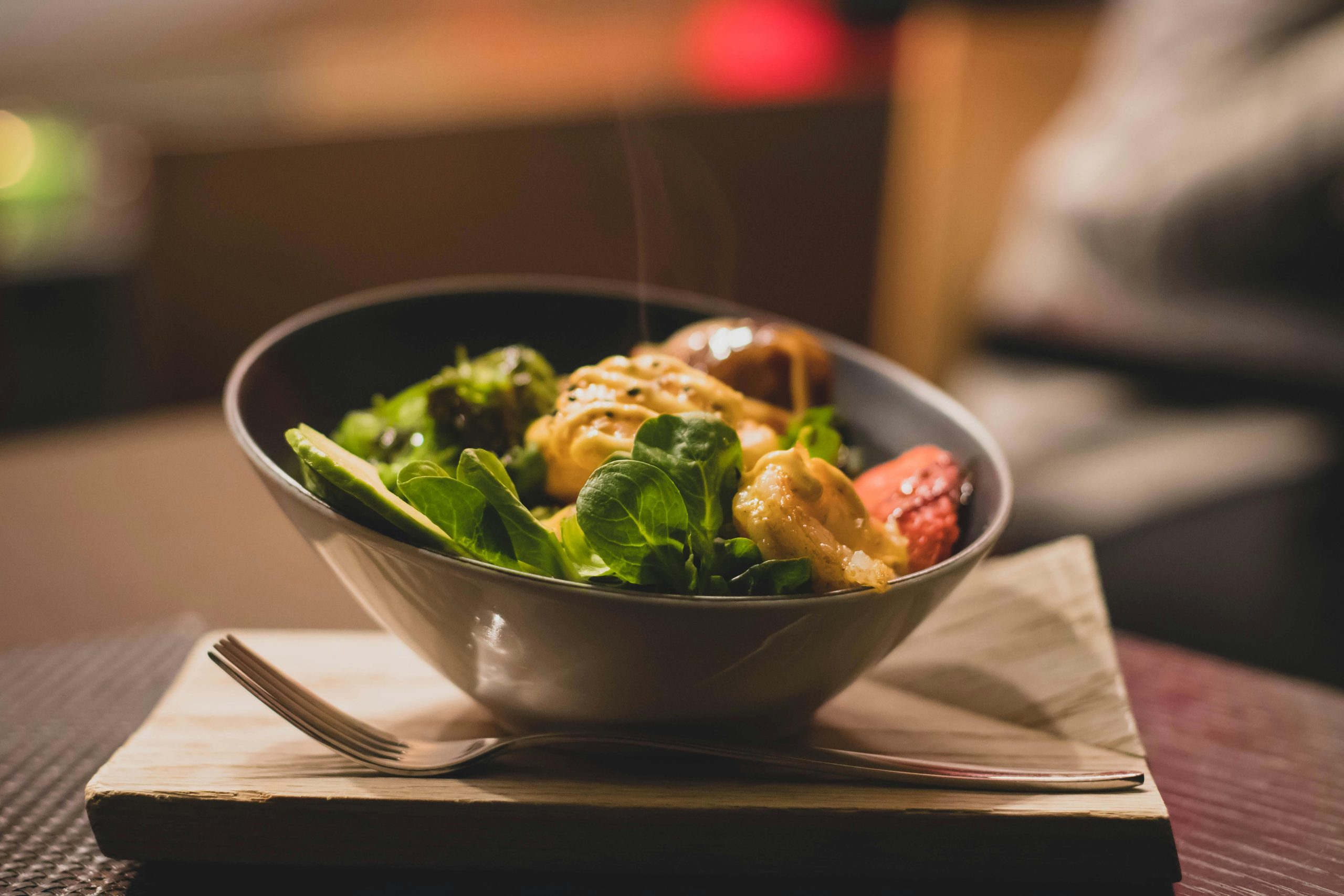
A warm meal has always meant more than nourishment alone. For many older adults, food represents comfort, memory, dignity, and connection. A familiar soup recipe can bring back decades of family dinners. Sharing breakfast with a loved one can ease loneliness.
As we age, nutrition becomes even more important. The body changes over time, and so do its needs. Appetite may decrease. Energy levels may shift. Certain health conditions can make eating more difficult. At the same time, good nutrition can help older adults maintain strength, independence, emotional wellbeing, and quality of life.
Healthy aging is not about perfection or strict diets. It is about supporting the body gently and consistently with nourishing foods, meaningful routines, and compassionate care.
Whether you are caring for an elderly parent, supporting an aging neighbor, or simply looking for healthier habits for yourself or a loved one, understanding the nutritional needs of older adults can make a lasting difference.
Why Nutrition Matters More With Age
As people grow older, the body naturally changes in ways that affect nutrition.
Some seniors experience:
- Reduced appetite
- Slower metabolism
- Changes in taste or smell
- Difficulty chewing or swallowing
- Medication side effects
- Digestive changes
- Lower energy levels
- Chronic health conditions
These challenges can make healthy eating more complicated than it once was.
At the same time, the body still needs essential nutrients to maintain:
- Muscle strength
- Bone health
- Brain function
- Immune support
- Energy
- Mobility
- Emotional wellbeing
Unfortunately, many seniors eat less while needing more nutritional support.
That is why small, nourishing meals and consistent healthy habits can become so important during later years of life.
Protein: Supporting Strength and Independence
One of the most important nutrients for healthy aging is protein.
As people age, they naturally lose muscle mass over time. This can affect:
- Balance
- Mobility
- Strength
- Recovery after illness
- Overall independence
Getting enough protein helps older adults maintain muscle and stay physically stronger longer.
Good protein sources for seniors include:
- Eggs
- Greek yogurt
- Beans and lentils
- Chicken
- Fish
- Cottage cheese
- Nut butters
- Tofu
- Milk
- Protein smoothies
For seniors with smaller appetites, eating moderate amounts of protein throughout the day may feel easier than eating large portions at one meal.
Simple additions can help:
- Adding peanut butter to oatmeal
- Mixing protein powder into smoothies
- Including eggs at breakfast
- Serving yogurt as a snack
These small changes can support strength and energy in meaningful ways.
Hydration Is Often Overlooked
Many older adults do not drink enough water.
As we age, the sense of thirst often becomes weaker, which means seniors may not realize they are dehydrated until symptoms appear.
Dehydration in older adults can contribute to:
- Fatigue
- Dizziness
- Confusion
- Constipation
- Headaches
- Urinary tract infections
Encouraging regular hydration throughout the day is important, especially during warmer months.
Helpful hydration ideas include:
- Keeping water visible and easy to reach
- Offering herbal tea or flavored water
- Serving fruits with high water content
- Including soups and broths in meals
- Using reminders for seniors who forget to drink fluids
Hydration may seem like a small detail, but it plays a major role in overall health and wellbeing.
Fiber and Digestive Health
Digestive issues become more common with age, and many seniors experience constipation or discomfort related to slower digestion.
Fiber supports digestive health while also helping with:
- Blood sugar balance
- Heart health
- Cholesterol levels
- Feeling satisfied after meals
Healthy fiber-rich foods include:
- Oatmeal
- Whole grains
- Fruits
- Vegetables
- Beans
- Lentils
- Nuts and seeds
For seniors who struggle with digestion, softer high-fiber foods like oatmeal, soups, cooked vegetables, and smoothies may feel easier to tolerate.
Gentle nutrition often works better than overly restrictive diets.
Calcium and Vitamin D for Bone Health
Bone health becomes increasingly important with age.
Older adults face a greater risk of weakened bones and falls, especially women after menopause. Nutrition plays a key role in supporting bone strength and mobility.
Calcium-rich foods include:
- Milk
- Yogurt
- Cheese
- Fortified plant milks
- Leafy greens
- Tofu
- Sardines
Vitamin D also helps the body absorb calcium effectively.
Some seniors may need supplements depending on their health needs, but discussing this with a healthcare provider is important.
Along with proper nutrition, light physical activity and safe movement can help maintain strength and stability.
Brain-Healthy Foods for Aging Adults
Nutrition can also support cognitive health and mental wellbeing.
While no food can prevent all age-related changes, certain foods may help support brain function and overall wellness.
Helpful foods include:
- Fatty fish like salmon
- Walnuts
- Berries
- Leafy greens
- Olive oil
- Eggs
- Whole grains
Regular meals also help stabilize energy and mood.
For seniors experiencing memory challenges, predictable mealtime routines and simple nutritious meals can create comfort and reduce stress.
Sometimes the emotional atmosphere around food matters just as much as the meal itself.
Appetite Loss in Seniors Is Common
Many caregivers worry when an elderly loved one begins eating less.
Loss of appetite can happen for many reasons:
- Loneliness
- Medication side effects
- Depression
- Illness
- Difficulty chewing
- Reduced taste and smell
- Fatigue
- Emotional stress
Instead of forcing large meals, gentle strategies often work better.
Helpful ideas include:
- Offering smaller meals more often
- Creating calm mealtime environments
- Including favorite comfort foods
- Eating together when possible
- Serving nutrient-dense snacks
- Making meals visually appealing
Sometimes companionship is one of the most powerful appetite boosters.
A senior who eats very little alone may eat more comfortably while sharing a meal with family, neighbors, or caregivers.
The Emotional Side of Food and Aging
Food is deeply emotional.
For many older adults, meals are connected to memories, traditions, family gatherings, and identity. Losing the ability to cook independently or enjoy food the way they once did can feel emotionally painful.
That is why patience matters so much.
Caregivers may feel frustrated when a loved one refuses meals or becomes picky about food. But often there is more happening beneath the surface:
- Fear of losing independence
- Loneliness
- Depression
- Grief
- Physical discomfort
- Embarrassment about needing help
Approaching meals with gentleness rather than pressure can preserve dignity and reduce stress for everyone involved.
Simple moments matter:
- Sitting together during meals
- Asking about favorite recipes from the past
- Cooking familiar foods
- Creating peaceful routines
- Offering choices instead of demands
These acts may seem small, but they help seniors feel respected and cared for.
Healthy Aging Does Not Require Perfection
Many people believe healthy eating must be complicated or strict. But for seniors, consistency and nourishment matter far more than perfection.
Healthy aging through food is often built through simple habits:
- Drinking enough water
- Eating balanced meals
- Including protein regularly
- Enjoying fruits and vegetables
- Staying socially connected during meals
- Maintaining realistic routines
Even small improvements can support better energy, strength, and emotional wellbeing over time.
Caregivers should also remember that food is not only about physical health. Comfort matters too.
A warm homemade soup, fresh bread, or favorite dessert shared occasionally can nourish the heart as much as the body.
Caring Through Meals and Compassion
One of the quietest forms of care is preparing food for another person.
A caregiver cutting fruit for an aging parent.
A neighbor delivering soup after a hospital stay.
A grandchild helping prepare dinner.
A friend sitting beside an elderly loved one during lunch.
These moments communicate something deeply human:
“You matter. You are not forgotten.”
In a fast-moving world, meals can become moments of connection, dignity, and comfort.
For many seniors, knowing someone took the time to prepare food with care means just as much as the nutrition itself.
Supporting Caregivers Too
Caregivers often spend so much time focusing on elderly loved ones that they neglect their own nutrition and rest.
But caregivers need nourishment too.
Skipping meals, relying on processed convenience foods, or running on constant exhaustion eventually affects physical and emotional health.
Caregivers deserve:
- Rest
- Healthy meals
- Support
- Encouragement
- Community
- Compassion for themselves
No one can pour endlessly from an empty cup.
Sometimes healthy caregiving begins with small acts of self-care.