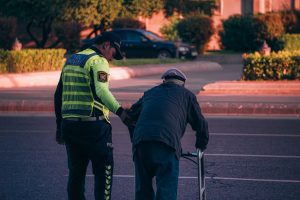

There is something comforting about a peaceful morning.
The quiet light coming through the window. A warm cup of tea. The familiar rhythm of getting ready for the day. For many seniors, mornings can set the emotional and physical tone for everything that follows.
As people age, energy levels often change. Some older adults wake up feeling stiff, tired, or mentally foggy. Others may struggle with poor sleep, reduced mobility, medication side effects, or loneliness that makes the day feel heavy before it even begins.
But gentle morning routines can make a meaningful difference.
A healthy morning does not need to be complicated or demanding. In fact, simple habits often work best. Small acts of care repeated consistently can help older adults feel more alert, emotionally grounded, and physically supported throughout the day.
For caregivers, helping a loved one create a calm and nourishing morning routine can also bring more peace and predictability into daily life.
Healthy aging is rarely built through dramatic changes. More often, it grows quietly through steady routines, compassionate care, and moments of intentional kindness.
Why Morning Routines Matter More With Age
As we grow older, the body and mind often respond better to consistency and structure.
A predictable morning routine can help seniors:
- Feel more emotionally secure
- Improve energy levels
- Support digestion and hydration
- Reduce stress and confusion
- Encourage movement and activity
- Improve sleep patterns over time
- Create a sense of purpose and rhythm
For seniors living alone, routines can also reduce feelings of isolation and disconnection. Even simple habits create a sense of stability and familiarity that feels grounding.
For older adults experiencing memory changes or early dementia, routines become especially important because they reduce mental strain and help daily life feel less overwhelming.
Start the Morning Gently
Many seniors feel stiff, tired, or disoriented first thing in the morning. Rushing immediately into activity can increase stress and fatigue.
A slower, calmer start often feels more supportive.
Instead of jumping straight into chores or responsibilities, mornings can begin with simple comforting habits like:
- Opening the curtains for natural light
- Sitting quietly for a few minutes
- Gentle conversation
- Listening to calming music
- Reading something uplifting
- Enjoying a warm drink slowly
These quiet moments help the body and mind wake up gradually.
For caregivers, tone matters too. A calm and patient approach in the morning can help seniors feel safe, respected, and emotionally settled for the day ahead.
Hydration First Thing in the Morning
Dehydration is very common among older adults and can contribute to:
- Fatigue
- Dizziness
- Confusion
- Headaches
- Low energy
- Constipation
After several hours of sleep, the body naturally needs fluids.
Encouraging seniors to drink water shortly after waking can help improve alertness and energy levels. Some older adults may prefer:
- Warm lemon water
- Herbal tea
- Milk
- Diluted fruit juice
- Warm water with honey
The goal is gentle hydration, not perfection.
Keeping a water bottle or glass nearby can also make it easier for seniors to remember to drink throughout the morning.
Nourishing Breakfasts Support Better Energy
Skipping breakfast or eating very little in the morning can leave seniors feeling weak and sluggish later in the day.
A balanced breakfast helps provide steady energy and supports overall wellness.
Helpful breakfast ideas for older adults include:
- Oatmeal with fruit and nuts
- Eggs with whole grain toast
- Yogurt with berries
- Smoothies with protein and fruit
- Cottage cheese with fruit
- Peanut butter toast
- Warm soups for seniors with low appetite
Protein is especially important because it helps maintain strength and muscle health as people age.
Breakfast does not need to be large or complicated. Even a simple nutritious meal can help seniors feel more physically stable and energized.
For caregivers, preparing familiar comforting breakfasts can also create emotional warmth and connection during the morning hours.
Let Natural Light In
Sunlight plays an important role in helping regulate sleep, mood, and energy.
Opening blinds, sitting near windows, or stepping outside briefly in the morning can help older adults feel more awake and emotionally refreshed.
Natural light may also help support:
- Better sleep at night
- Improved mood
- More stable daily rhythms
- Reduced feelings of fatigue
For seniors who spend much of their time indoors, small moments of sunlight can feel deeply restorative.
Even sitting on a porch with a cup of tea or enjoying a quiet garden view can gently brighten the start of the day.
Gentle Movement Helps Wake Up the Body
Many older adults wake up feeling stiff, sore, or physically sluggish.
Gentle movement in the morning can improve:
- Circulation
- Flexibility
- Mobility
- Balance
- Energy
- Mood
Movement does not need to be intense.
Simple options may include:
- Light stretching
- Walking indoors or outdoors
- Chair exercises
- Gentle yoga
- Slow household tasks
- Arm and shoulder movements
Even five or ten minutes of movement can help the body feel more awake.
Caregivers should encourage movement patiently and safely, especially for seniors with mobility challenges or chronic pain.
The goal is not strenuous exercise. The goal is helping the body stay active and supported.
Create a Calm and Comfortable Environment
The emotional atmosphere of a morning matters more than many people realize.
Loud television programs, rushed conversations, clutter, or stress can feel overwhelming, especially for seniors with anxiety or memory issues.
Creating a peaceful environment may include:
- Soft lighting
- Gentle music
- Reduced background noise
- Organized spaces
- Comfortable seating
- Calm conversation
Small details can shape how a senior emotionally experiences the start of the day.
A peaceful environment often encourages emotional steadiness and comfort.
Encourage Purpose and Small Daily Goals
Having something meaningful to look forward to can improve emotional energy significantly.
Retirement, health limitations, or loss of independence sometimes leave older adults feeling disconnected from purpose or routine.
Simple meaningful activities can help:
- Watering plants
- Folding laundry
- Reading
- Writing cards or letters
- Cooking simple meals
- Feeding birds
- Gardening
- Calling loved ones
- Participating in community activities
These routines provide more than activity alone. They create dignity, structure, and connection.
People of every age want to feel useful and valued.
Morning Connection Matters Too
Loneliness can quietly affect both emotional and physical health in older adults.
A simple morning conversation may seem small, but it can deeply affect a senior’s mood and sense of wellbeing.
Moments of connection might include:
- Sharing breakfast together
- Talking about the weather
- Looking through old photographs
- Praying together
- Discussing favorite memories
- Laughing about something simple
Caregivers often underestimate how meaningful their presence can be.
Even a few calm and attentive minutes in the morning can help seniors feel seen, loved, and emotionally supported.
Spiritual Reflection Can Bring Peace
For many seniors, faith and quiet reflection become important sources of comfort during aging.
This does not need to be formal or heavily religious. Gentle spiritual routines may simply create peace and emotional grounding.
Some seniors may enjoy:
- Morning prayer
- Reading devotional passages
- Listening to hymns
- Quiet meditation
- Gratitude journaling
- Reflecting in silence
These moments often provide reassurance, hope, and emotional steadiness.
For caregivers, honoring a loved one’s spiritual routines can also become a meaningful expression of care and respect.
Avoid Overloading the Morning
Sometimes caregivers unintentionally schedule too much activity too early in the day.
Medical appointments, errands, cleaning, and responsibilities can quickly make mornings feel exhausting.
Whenever possible, allow space for:
- Rest
- Slow transitions
- Calm conversation
- Breaks between activities
Older adults often need more time to move comfortably through routines.
Patience creates dignity.
A slower pace is not wasted time. It is often what allows seniors to feel safe, respected, and emotionally balanced.
Supporting Seniors With Memory Challenges
For seniors with dementia or cognitive decline, morning routines become even more valuable.
Predictability helps reduce confusion and anxiety.
Helpful strategies may include:
- Following the same routine daily
- Keeping clothing choices simple
- Using visual reminders
- Speaking calmly and clearly
- Avoiding overstimulation early in the morning
Gentle routines help seniors feel more secure in an environment that may otherwise feel confusing or unpredictable.
Caregivers Need Gentle Mornings Too
Caregivers often focus entirely on the needs of others while neglecting their own emotional and physical wellbeing.
But caregivers also deserve calm, nourishment, and rest.
Starting the day with small supportive habits can help caregivers feel more grounded:
- Drinking water
- Eating breakfast
- Taking slow breaths
- Stretching
- Spending a few quiet minutes in reflection
- Asking for help when needed
Caregiving becomes much harder when exhaustion builds day after day without restoration.
Compassion should include yourself too.
Small Morning Habits Create Lasting Comfort
Healthy aging is not about chasing perfection or unrealistic routines.
Often, the most meaningful changes come through gentle consistency:
- A nourishing breakfast
- Morning sunlight
- A short walk
- Quiet reflection
- Kind conversation
- Simple movement
- Shared moments of connection
These small acts of care may not seem dramatic, but over time they help support physical health, emotional wellbeing, and dignity during the aging process.
For seniors, mornings can become more than the start of another day. They can become moments of peace, comfort, purpose, and hope.
And for caregivers, helping create those moments is one of the quietest and most meaningful forms of love there is.