Growing older often brings wisdom, treasured memories, and a deeper appreciation for life’s simple joys. Yet for many seniors, everyday activities such as eating can become more challenging. Dental issues, missing teeth, ill-fitting dentures, medical conditions, or age-related changes can make chewing difficult and sometimes even uncomfortable.
When meals become a struggle, nutrition often suffers. Seniors may begin avoiding healthy foods that are harder to chew, leading to reduced appetite, weight loss, and nutritional deficiencies. For caregivers and loved ones, this can be concerning and sometimes frustrating.
The good news is that soft food meals do not have to be bland, boring, or lacking in nutrition. With a little creativity and care, it is possible to prepare meals that are gentle to eat while still providing the nourishment, comfort, and enjoyment every person deserves.
At Nourishing Neighbors, we believe that every meal is an opportunity to care for one another with dignity, compassion, and kindness. Here are practical tips and delicious soft food recipe ideas that can help seniors stay healthy while making mealtimes enjoyable again.
Why Soft Foods Matter
Chewing difficulties can impact much more than a person’s ability to eat. They can affect confidence, social connections, and overall well-being.
When seniors struggle with chewing, they may:
- Avoid nutritious fruits and vegetables
- Eat less protein than their bodies need
- Skip meals altogether
- Experience unintended weight loss
- Feel isolated during family meals
Providing soft, nutrient-dense foods helps ensure that seniors continue receiving essential vitamins, minerals, protein, and calories while maintaining comfort and independence.
The goal is not simply to make food softer—it is to make it nourishing, appealing, and enjoyable.
A Creamy Protein-Packed Breakfast Bowl
Breakfast sets the tone for the day and offers an excellent opportunity to add protein and nutrients.
Gentle Oatmeal Breakfast Bowl
Ingredients:
- 1 cup cooked oats
- ½ mashed banana
- 2 tablespoons Greek yogurt
- 1 teaspoon honey
- A sprinkle of cinnamon
Instructions:
Mix all ingredients together until smooth and creamy. Serve warm.
Benefits:
This breakfast provides fiber for digestive health, protein for muscle maintenance, and natural sweetness without excessive added sugar.
Velvety Vegetable Soup for Easy Nutrition
Many seniors find soups comforting because they are easy to eat and can contain a variety of nutrients.
Creamy Carrot and Sweet Potato Soup
Ingredients:
- 2 carrots, peeled and chopped
- 1 sweet potato, peeled and cubed
- 2 cups low-sodium vegetable broth
- ½ cup milk or unsweetened dairy alternative
Instructions:
Cook vegetables in broth until tender. Blend until smooth, then stir in milk and heat gently.
Benefits:
Rich in vitamin A, antioxidants, and hydration, this soup offers nourishment in every spoonful.
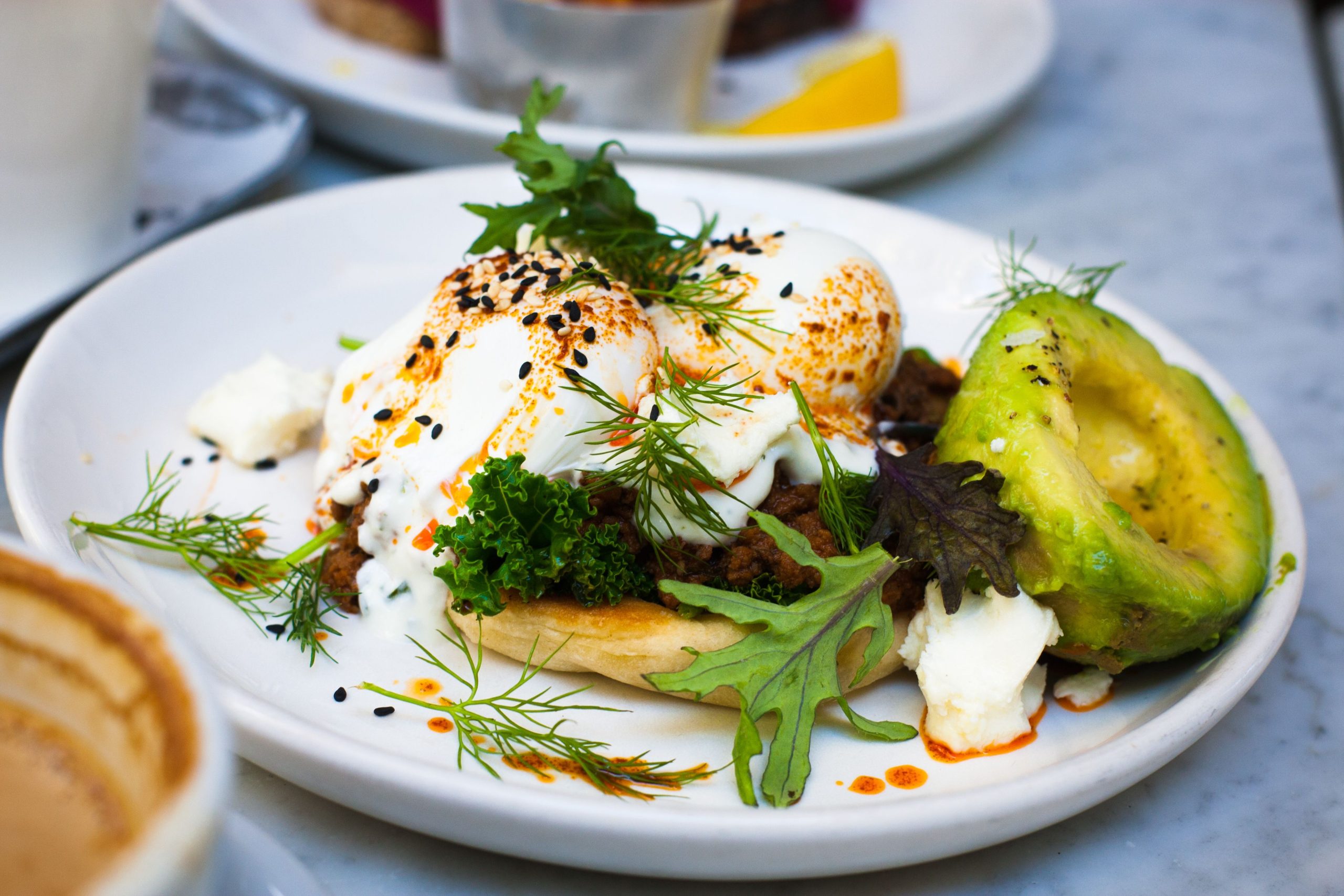
Soft Scrambled Eggs with Avocado
Eggs are among the easiest and most nutritious foods for seniors experiencing chewing challenges.
Comforting Soft Scramble
Ingredients:
- 2 eggs
- 1 tablespoon milk
- ¼ avocado, mashed
Instructions:
Whisk eggs and milk together. Cook slowly over low heat, stirring frequently until soft and fluffy. Serve with mashed avocado.
Benefits:
Eggs provide high-quality protein while avocado contributes heart-healthy fats and a creamy texture.
Tender Salmon and Mashed Sweet Potatoes
Protein remains critical as we age, helping maintain muscle strength and overall health.
Simple Salmon Dinner
Ingredients:
- 1 baked salmon fillet
- 1 cooked sweet potato
- 1 teaspoon olive oil
Instructions:
Bake salmon until flaky. Mash sweet potato with olive oil until smooth. Flake salmon into small, manageable pieces before serving.
Benefits:
This meal provides omega-3 fatty acids, protein, fiber, and important vitamins that support healthy aging.
Smoothie for Extra Nutrition
Some days, appetite may be low. Smoothies offer a convenient way to pack nutrition into a small serving.
Berry Banana Wellness Smoothie
Ingredients:
- 1 banana
- ½ cup berries
- ½ cup Greek yogurt
- 1 cup milk
- 1 tablespoon ground flaxseed
Instructions:
Blend until completely smooth.
Benefits:
This smoothie provides protein, antioxidants, calcium, and healthy fats while being easy to consume.
Cottage Cheese Fruit Whip
Healthy snacks can help seniors meet their nutritional needs between meals.
Creamy Fruit Whip
Ingredients:
- 1 cup cottage cheese
- ½ cup peaches or pears
- A drizzle of honey
Instructions:
Blend until smooth and creamy.
Benefits:
The combination of protein and fruit supports energy levels while providing a pleasant, dessert-like treat.
Tips for Preparing Soft Foods
Making food softer does not mean sacrificing flavor or presentation.
Consider these helpful strategies:
Cook Vegetables Thoroughly
Steaming, roasting, and simmering vegetables until tender can make them easier to eat while preserving important nutrients.
Add Moisture
Broths, sauces, yogurt, gravy, and olive oil can improve texture and make swallowing easier.
Use Blenders and Food Processors
These tools can transform healthy ingredients into soups, purees, dips, and smoothies with minimal effort.
Focus on Protein
Protein supports muscle strength, healing, and immune health. Include eggs, fish, yogurt, cottage cheese, beans, and soft meats whenever possible.
Serve Smaller Portions More Often
Several smaller meals throughout the day may feel less overwhelming than three large meals.
The Importance of Mealtime Connection
Nutrition is only one part of healthy aging. Human connection matters too.
Many seniors eat alone, which can reduce appetite and diminish the enjoyment of meals. A shared conversation over breakfast, a visit during lunchtime, or a family dinner can bring comfort that extends far beyond the food itself.
Caregivers often carry significant responsibilities, and preparing meals can feel like just another task on a long list. Yet these moments around the table frequently become opportunities for connection, encouragement, and care.
A warm bowl of soup delivered to a neighbor, a favorite recipe prepared for a loved one, or simply sitting together during a meal can remind someone that they are valued and not forgotten.
Small acts of kindness often leave the greatest impact.
Nourishing with Compassion
Every senior deserves meals that support both health and dignity. When chewing difficulties arise, thoughtful meal preparation can make a meaningful difference in quality of life.
Soft foods can be flavorful, satisfying, and deeply nourishing. More importantly, they can help seniors maintain independence, strength, and enjoyment in their daily routines.
At Mobile Meals, we believe that caring for others begins with simple acts of compassion. A carefully prepared meal is more than nutrition—it is a message of love, respect, and connection.
Whether you are caring for a parent, supporting a spouse, helping a friend, or checking on an elderly neighbor, remember that your efforts matter. Every nourishing meal shared with kindness helps build a healthier, more connected community where everyone feels seen, valued, and cared for.
And sometimes, something as simple as a soft, comforting meal can brighten an entire day.