
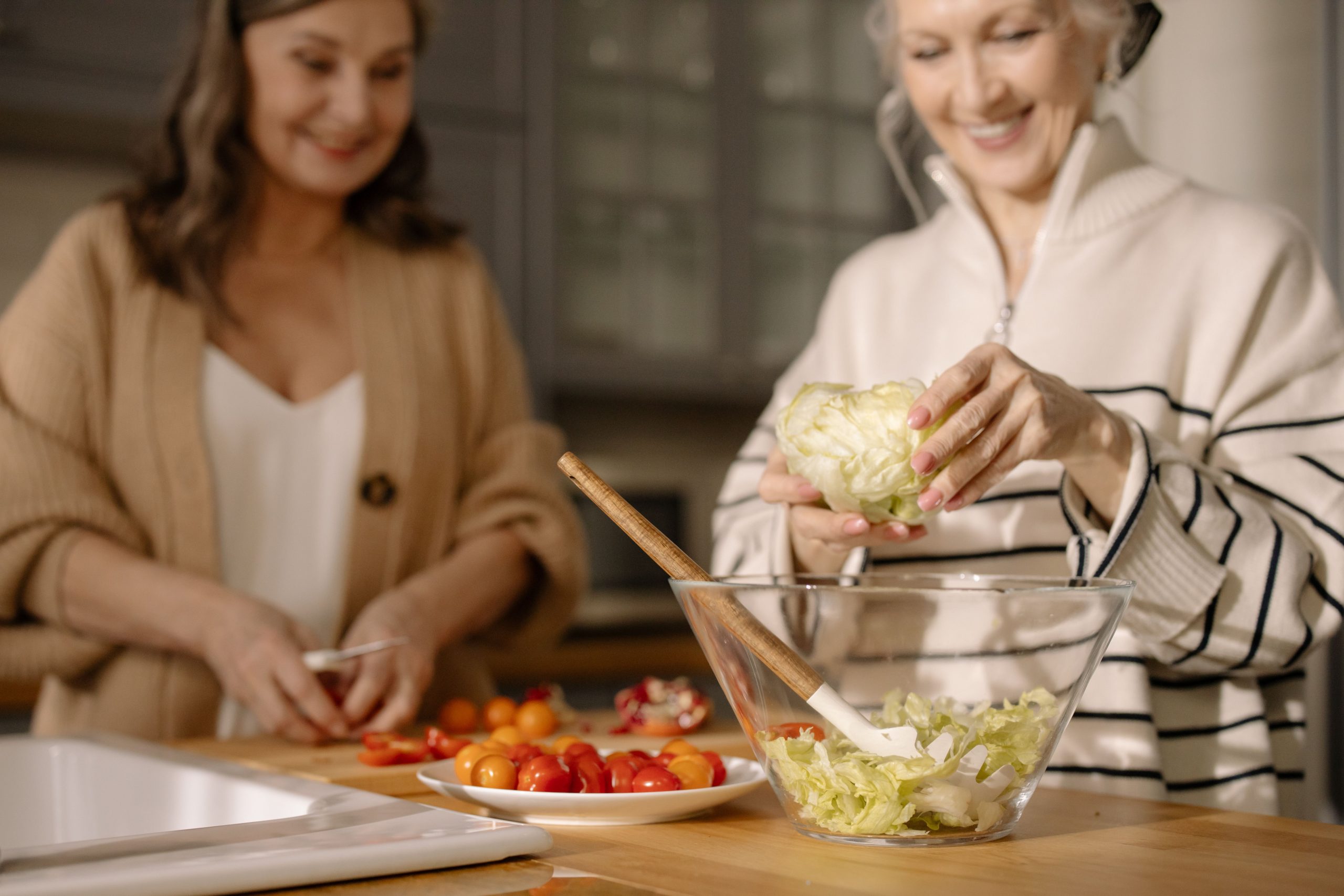
There is something deeply comforting about sharing food with someone we care about.
A small bowl of fruit placed beside a favorite chair. A warm piece of toast in the afternoon. A handful of nuts offered during a quiet conversation. These simple moments may not seem significant, but for an older neighbor, parent, grandparent, or friend, they can become reminders that someone notices, cares, and is there.
As we grow older, hunger and eating habits can change. Some seniors may feel hungry between meals, while others may have smaller appetites and struggle to eat enough during regular mealtimes. Having nourishing snacks available can be a simple way to support their daily nutrition while also bringing a little comfort and companionship into their day.
The good news is that healthy snacks do not need to be complicated. With a few thoughtful choices, caregivers and families can offer foods that are enjoyable, satisfying, and easy to prepare.
Why Snacks Can Be Helpful for Older Adults
For some seniors, three large meals a day may feel like too much. Smaller meals and snacks spread throughout the day can sometimes be more comfortable and manageable.
A nutritious snack can also be an opportunity to include foods that provide important nutrients, especially when a senior does not eat very much at mealtimes.
Rather than thinking of snacks as something that simply takes the edge off hunger, think of them as small opportunities for nourishment.
A snack might provide protein, fruits or vegetables, whole grains, healthy fats, or other nutrients. It can also provide a welcome pause in the day.
And sometimes, the greatest benefit isn’t nutritional at all.
A caregiver sitting down with a senior for an afternoon snack can turn five quiet minutes into meaningful connection.
What Makes a Good Snack for Seniors?
The best snack is one that the person will actually enjoy and eat.
That may sound obvious, but it’s easy to focus so much on nutrition that we forget about preference.
A senior who loves apples may happily eat sliced apples with peanut butter. Someone else may prefer yogurt and berries. Another person may look forward to a small piece of homemade banana bread.
When choosing snacks, consider a few simple qualities:
Nutrient-rich: Look for foods that offer useful nutrients rather than simply filling the stomach.
Easy to eat: Depending on the individual, softer foods or smaller portions may be easier and more comfortable.
Simple to prepare: Caregivers already have plenty to manage. Snacks should not create unnecessary work.
Familiar and enjoyable: Favorite foods can make eating feel comforting rather than like another chore.
Appropriate for the individual: Dietary needs and food restrictions vary from person to person, so recommendations from a healthcare professional should take priority when specific medical or dietary concerns are present.
With those principles in mind, here are some simple ideas to keep available.
1. Greek Yogurt With Berries
Plain or lightly sweetened Greek yogurt paired with strawberries, blueberries, raspberries, or another favorite fruit makes a quick snack.
For added texture and flavor, a small amount of oats, chopped nuts, or seeds can be added if they are appropriate for the person.
It takes only a few minutes to prepare and can be kept ready in the refrigerator.
2. Apple Slices With Peanut Butter
For many people, this is a classic combination for good reason.
Slice an apple into manageable pieces and serve it with a small portion of peanut butter or another nut butter.
If chewing raw apples is difficult, try using unsweetened applesauce instead and add nut butter if appropriate.
3. Cottage Cheese With Fruit
Cottage cheese paired with peaches, pineapple, berries, or another favorite fruit offers a combination of creamy texture and natural sweetness.
It’s also easy to portion into small containers ahead of time, making it convenient for busy caregivers.
4. A Small Smoothie
Smoothies can be especially useful when someone prefers drinking something to eating a full snack.
Try blending yogurt or milk with a banana and berries. You can also add oats or nut butter for additional nourishment.
Keep portions modest. A small smoothie may feel much more approachable than a large glass.
5. Whole-Grain Toast With Avocado
A slice of whole-grain toast topped with mashed avocado is simple, satisfying, and easy to customize.
For someone who enjoys savory flavors, a little seasoning can make it feel like a proper treat rather than a “healthy snack.”
Cut the toast into smaller pieces if that makes it easier to handle.
6. Hummus With Soft Vegetables
Hummus can be paired with cucumber slices, roasted vegetables, or other vegetables that are comfortable for the senior to eat.
If crunchy vegetables are difficult to chew, consider softer cooked vegetables instead.
A little care in preparation can make the same ingredients much more accessible.
7. Oatmeal With Banana and Cinnamon
Who says oatmeal is only for breakfast?
A small bowl of warm oatmeal can make a comforting afternoon or evening snack. Add sliced or mashed banana and a sprinkle of cinnamon for natural sweetness and flavor.
For a senior who enjoys warm foods, this can feel particularly comforting on a quiet afternoon.
8. Cheese and Whole-Grain Crackers
A few whole-grain crackers with cheese can make an easy snack that requires almost no preparation.
Choose crackers and cheese based on the individual’s dietary needs, preferences, and ability to chew comfortably.
Sometimes the simplest option is the one that gets eaten most consistently.
9. Hard-Boiled Eggs
A prepared hard-boiled egg can be an easy grab-and-go snack for seniors who enjoy eggs.
Keep a few refrigerated and ready to use, following safe food-storage practices.
For variety, serve with a small piece of toast or some soft fruit.
10. Applesauce With Cinnamon
Applesauce is a gentle, familiar option that can be especially appealing when chewing is difficult.
Choose unsweetened applesauce when possible and add cinnamon for extra flavor.
It can be served cold or gently warmed, depending on preference.
11. Banana With Nut Butter
A ripe banana requires little preparation and has a naturally soft texture.
Pairing it with a small amount of peanut or almond butter can turn it into a more satisfying snack.
If allergies or dietary restrictions are a concern, choose an appropriate alternative.
12. A Small Bowl of Trail Mix
For seniors who enjoy crunchy foods and have no difficulty chewing, a small portion of trail mix can be convenient.
Try combining unsalted nuts, seeds, dried fruit, and whole-grain cereal.
Pre-portioning it into small containers can make serving easier while helping keep portions manageable.
Making Snacks Part of a Caring Routine
Food can be more than fuel.
For caregivers, snack time can become a gentle daily ritual.
Perhaps it’s tea and toast at 3 p.m. Perhaps it’s sitting together at the kitchen table with fruit and yogurt. Maybe it’s bringing a favorite snack to an elderly neighbor and staying for a few minutes to talk.
These moments matter.
Many seniors experience changes in their routines, mobility, social circles, or independence as they age. A simple snack shared with another person can provide something to look forward to.
And for caregivers, these moments can be reminders that caring isn’t only about completing tasks.
It is also about being present.
There is dignity in allowing an older adult to choose what they would like to eat. Ask what sounds good. Let them choose between two options. Invite them into the kitchen when they are able.
Even small choices can help preserve a sense of independence.
Instead of saying, “You need to eat this,” try asking, “Would you like an apple with peanut butter or some yogurt and berries?”
The difference may seem small, but the second approach gives the person a voice in their own care.
Keep a Small Snack Station Ready
One practical way to make healthy snacking easier is to create a designated snack area.
Keep suitable options where they are easy to see and reach. Depending on the senior’s needs, this might include:
- Individual containers of yogurt
- Bananas and other easy-to-eat fruits
- Applesauce cups
- Whole-grain crackers
- Cheese portions
- Nut butter
- Oatmeal
- Prepared hard-boiled eggs
- Hummus
- Small containers of homemade snacks
If a senior has difficulty opening packages, consider transferring appropriate foods into easy-to-open containers.
The goal isn’t perfection.
The goal is to make nourishing choices visible, convenient, and inviting.
When Hunger Changes
It’s also worth paying attention when eating habits change significantly.
A senior who suddenly has very little appetite, frequently skips meals, has difficulty swallowing, experiences unexplained weight changes, or has other concerning symptoms may need professional guidance.
Caregivers don’t have to figure everything out alone. A doctor, registered dietitian, or other qualified healthcare professional can help identify the right approach for an individual’s needs.
Nutrition is personal, particularly as we age.
A Little Food, A Little Kindness
A healthy snack may be small, but the care behind it can be enormous.
For an older neighbor, it might be a reminder that someone thought about them.
For a caregiver, it might be one more simple way to support a loved one’s wellbeing.
And for a senior, it can be a chance to enjoy a favorite flavor, make a choice, and share a few peaceful moments with someone they trust.
We don’t always know how much our small acts of kindness mean to another person.
A bowl of berries. A warm piece of toast. A smoothie made with care. A snack shared across the kitchen table.
These ordinary things can become extraordinary when they are offered with compassion.
Healthy aging isn’t only about what we put on the plate. It’s also about the love, dignity, connection, and kindness that surround it.