
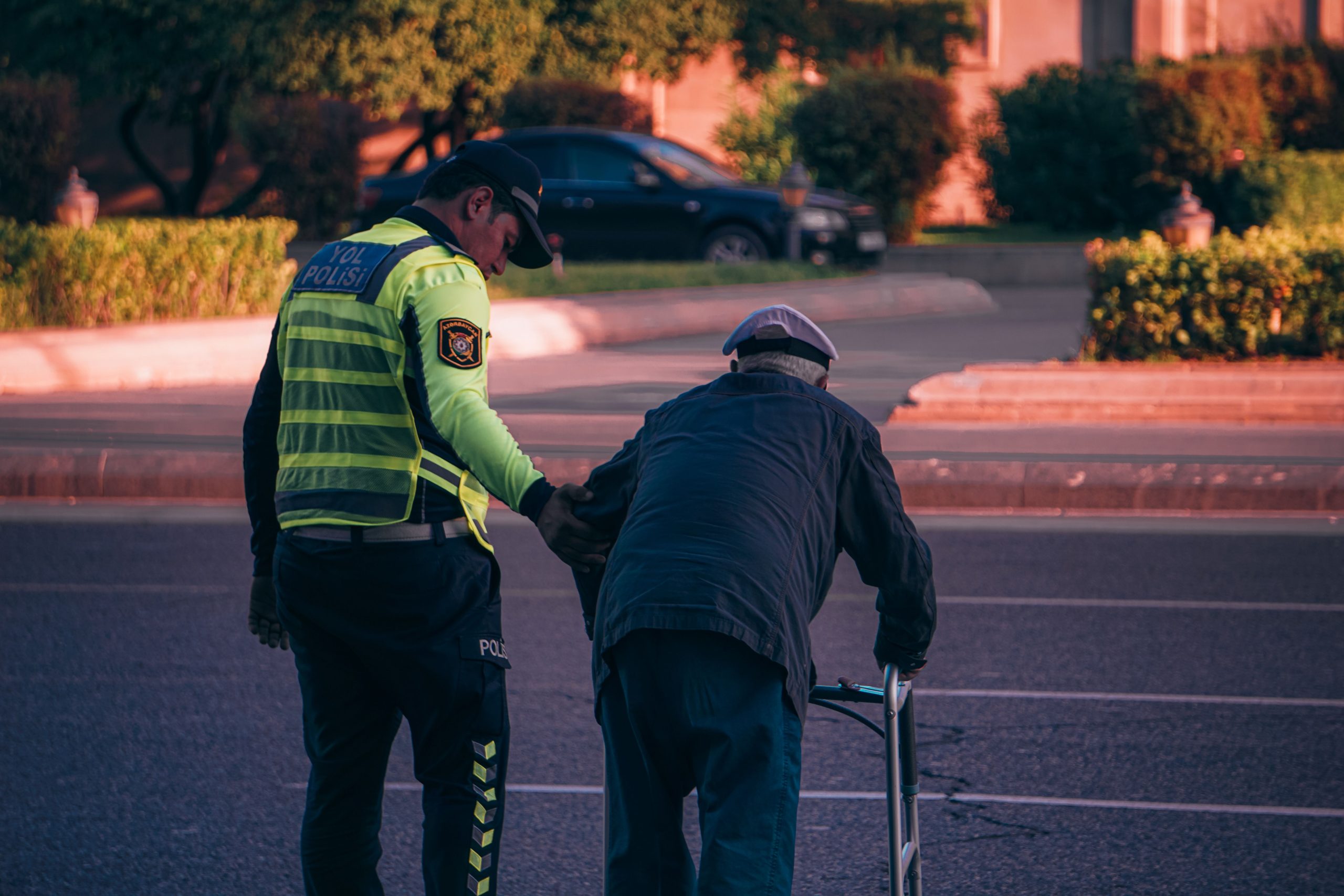
Falls are one of the most common health concerns facing older adults today. While a fall may seem like a simple accident, it can have a significant impact on a senior’s health, confidence, and independence. For family caregivers, a fall can also bring feelings of worry and uncertainty about how to best protect a loved one moving forward.
The good news is that many falls can be prevented. By understanding the most common causes of falls and taking practical steps to reduce risks, seniors and caregivers can work together to create safer, healthier environments that support continued independence and quality of life.
At Nourishing Neighbors, we believe every older adult deserves to age with dignity, confidence, and the support of a caring community. Understanding fall risks is an important part of helping our elderly neighbors stay active, engaged, and safe.
Why Falls Are a Serious Concern for Seniors
As we age, our bodies naturally change. Muscles may become weaker, balance can become less stable, and reaction times often slow down. Vision and hearing may also change, making it harder to notice hazards or maintain stability while moving.
These changes do not mean older adults must stop enjoying life or give up their independence. However, they do highlight the importance of paying attention to factors that can increase the likelihood of a fall.
Even a minor fall can lead to bruises, fractures, or a loss of confidence that discourages seniors from staying active. Understanding the causes of falls is the first step toward prevention.
Muscle Weakness and Loss of Strength
One of the most common contributors to falls is age-related muscle loss.
Over time, adults naturally lose muscle mass, especially if they become less physically active. Weak muscles make it harder to maintain balance, recover from a stumble, or navigate stairs and uneven surfaces.
Many seniors notice simple activities becoming more challenging, such as standing up from a chair, carrying groceries, or walking longer distances. These changes can increase the risk of falling if not addressed.
Fortunately, gentle physical activity can help maintain strength. Walking, chair exercises, resistance training, and balance-focused activities such as tai chi can all support muscle health and stability.
Even small improvements in strength can make a meaningful difference in everyday safety and confidence.
Balance and Coordination Changes
Balance naturally changes as people age.
The systems that help us stay upright—including our muscles, joints, vision, and inner ears—must work together continuously. When one or more of these systems becomes less effective, maintaining balance can become more difficult.
Older adults may notice:
- Feeling unsteady while walking
- Difficulty turning quickly
- Trouble standing on one foot
- Increased wobbling on uneven surfaces
Balance issues can develop gradually, making them easy to overlook until a fall occurs.
Regular balance exercises can help strengthen stability and reduce fall risk. Practicing simple balance movements under safe conditions can improve confidence and mobility over time.
Vision Problems
Good vision plays a critical role in preventing falls.
Our eyes help us identify obstacles, judge distances, and navigate safely through our surroundings. Unfortunately, vision changes become more common with age.
Conditions such as cataracts, glaucoma, and age-related macular degeneration can make it harder to see hazards clearly. Even normal age-related vision changes may affect depth perception and contrast sensitivity.
A senior who cannot clearly see a step, rug edge, or uneven walkway is naturally at greater risk of stumbling.
Regular eye examinations are an important part of fall prevention. Updated eyeglass prescriptions and proper lighting throughout the home can also make daily activities safer.
Medication Side Effects
Many older adults take medications to manage chronic health conditions. While these medications often provide important benefits, some can also increase fall risk.
Certain medications may cause:
- Dizziness
- Drowsiness
- Blurred vision
- Confusion
- Low blood pressure
- Reduced alertness
The risk may increase when multiple medications are taken together.
Caregivers and seniors should regularly review medications with healthcare providers and pharmacists. Sometimes small adjustments can significantly improve safety without compromising treatment goals.
Never stop medications without medical guidance, but don’t hesitate to discuss concerns if dizziness or balance problems develop.
Poor Foot Health and Inappropriate Footwear
Our feet provide the foundation for movement and stability.
Painful foot conditions such as bunions, arthritis, neuropathy, or poorly fitting shoes can affect how a person walks and balances.
Unfortunately, footwear is often an overlooked factor in fall prevention.
Shoes that increase fall risk include:
- Loose slippers
- High heels
- Worn-out soles
- Shoes without adequate support
- Footwear that is too large or too small
Supportive, properly fitted shoes can improve stability and confidence while walking.
Regular foot care is equally important. Addressing discomfort early helps seniors maintain safe and comfortable mobility.
Hazards Inside the Home
Many falls occur in familiar surroundings.
Because home feels comfortable and routine, hazards can easily go unnoticed. Yet even minor obstacles can become significant risks for older adults.
Common household hazards include:
- Loose rugs
- Electrical cords across walkways
- Cluttered floors
- Poor lighting
- Slippery bathroom surfaces
- Unstable furniture
- Items stored on high shelves
A room-by-room safety assessment can identify potential dangers before accidents happen.
Simple improvements such as securing rugs, installing grab bars, improving lighting, and keeping pathways clear can dramatically reduce fall risk.
Creating a safer home environment is one of the most effective steps families can take to support aging in place.
Chronic Health Conditions
Several medical conditions can contribute to falls.
Health concerns that commonly affect balance and mobility include:
- Arthritis
- Diabetes
- Parkinson’s disease
- Stroke
- Heart disease
- Osteoporosis
- Neuropathy
These conditions may affect strength, sensation, coordination, or endurance.
For example, diabetes-related nerve damage can reduce feeling in the feet, making it harder to detect changes in terrain. Arthritis may limit joint movement and create pain that affects walking patterns.
Managing chronic conditions effectively is an important part of fall prevention. Regular medical care, therapy, and healthy lifestyle habits can help seniors remain active and stable.
Dehydration and Poor Nutrition
Nutrition plays a larger role in fall prevention than many people realize.
Older adults sometimes drink less water because they may not feel thirsty as often or wish to avoid frequent bathroom trips. However, dehydration can contribute to dizziness, weakness, confusion, and low blood pressure.
Similarly, inadequate nutrition can lead to muscle loss, fatigue, and reduced physical resilience.
A balanced diet that includes:
- Lean protein
- Fruits and vegetables
- Whole grains
- Healthy fats
- Adequate hydration
supports strength, energy, and overall wellness.
At Nourishing Neighbors, we believe that good nutrition is one of the foundations of healthy aging. Small daily choices can have a meaningful impact on long-term safety and well-being.
Fear of Falling
One of the most overlooked causes of future falls is fear itself.
After experiencing a fall—or even witnessing a friend experience one—some seniors become fearful of moving around independently.
This fear is understandable. However, avoiding activity can lead to reduced strength, poorer balance, and increased isolation. Ironically, these changes can make falls more likely.
Encouragement, support, and gradual re-engagement in safe activities can help restore confidence.
Caregivers play an important role by offering reassurance and creating opportunities for seniors to stay active while feeling secure.
Every step toward renewed confidence helps strengthen both physical and emotional well-being.
Outdoor Hazards
Falls do not only happen indoors.
Uneven sidewalks, cracked pavement, wet surfaces, poor lighting, and unexpected obstacles can all create challenges for older adults.
Seasonal conditions may increase risks even further.
When spending time outdoors, seniors can improve safety by:
- Wearing supportive shoes
- Using mobility aids when recommended
- Walking in well-lit areas
- Taking their time on uneven surfaces
- Avoiding distractions while walking
Staying active outdoors offers many physical and emotional benefits, and thoughtful precautions can help make those experiences safer and more enjoyable.
How Caregivers Can Help Prevent Falls
Family caregivers often play a vital role in reducing fall risks.
Simple actions can make a significant difference, including:
- Encouraging regular physical activity
- Scheduling vision and hearing checkups
- Reviewing medications with healthcare providers
- Improving home safety
- Supporting healthy eating and hydration
- Monitoring changes in mobility or balance
Perhaps most importantly, caregivers can provide encouragement without taking away independence.
The goal is not to limit an older adult’s freedom but to help create an environment where they can continue living fully and safely.
When approached with compassion and respect, fall prevention becomes a partnership built on trust and care.
A Final Word of Encouragement
Growing older brings changes, but it does not diminish a person’s value, purpose, or ability to enjoy life.
Falls are common, but they are not inevitable. By understanding the factors that contribute to falls and taking proactive steps to address them, seniors can remain active, engaged, and confident in their daily lives.
For caregivers, neighbors, friends, and family members, every small act of support matters. A safer home, a shared walk, an encouraging conversation, or a nutritious meal can all contribute to a stronger foundation for healthy aging.
At Nourishing Neighbors, we believe that caring for older adults is about more than preventing injuries. It is about honoring dignity, fostering connection, and helping every senior feel valued and supported.
Together, through kindness, awareness, and practical action, we can help our elderly neighbors continue to thrive—one safe and steady step at a time.