
Growing older brings many changes. Some are easy to notice, while others happen gradually over time. Energy levels may shift. Recovery from illness can take longer. Everyday tasks that once felt effortless may require a little more strength and intention.
While aging is a natural part of life, there are ways to support the body through each season. One of the most important—and often overlooked—parts of healthy aging is getting enough protein.
Many people associate protein with athletes, bodybuilders, or younger adults trying to build muscle. But protein becomes increasingly important as we age. In fact, older adults often need to pay closer attention to protein intake than they did in earlier decades.
For seniors, protein supports strength, mobility, healing, independence, and overall quality of life. It helps the body maintain muscle, recover from illness, and continue doing the everyday activities that bring purpose and joy.
Whether you are caring for an aging parent, supporting an elderly neighbor, or looking after your own health, understanding the role of protein can be a valuable step toward healthier aging.
Aging and Muscle Loss: What Happens Over Time?
One of the most significant physical changes that occurs with age is the gradual loss of muscle mass.
Beginning in middle age and continuing through the senior years, the body naturally starts losing muscle. This process happens slowly, often without people noticing it at first.
A senior may find it harder to:
- Climb stairs
- Carry groceries
- Get up from a chair
- Maintain balance
- Walk longer distances
- Recover after illness or injury
These changes are not always caused by aging alone. In many cases, inadequate nutrition—particularly low protein intake—plays a role.
Because muscle helps support movement, balance, and strength, preserving it becomes increasingly important. Protein is one of the body’s primary tools for maintaining and repairing muscle tissue.
Simply put, the body relies on protein to stay strong.
Why Seniors Need More Protein Than Many People Realize
Many older adults eat less food overall than they did when they were younger. Appetite often decreases with age due to changes in metabolism, medications, health conditions, or reduced activity levels.
The challenge is that while calorie needs may decrease somewhat, the need for certain nutrients—including protein—remains high.
In fact, older adults often need more protein relative to their body weight than younger adults to help maintain muscle health.
Without enough protein, seniors may experience:
- Muscle weakness
- Increased fatigue
- Slower recovery from illness
- Greater risk of falls
- Reduced mobility
- Loss of independence
Protein is not just about building muscle. It helps support nearly every system in the body.
Protein Supports Everyday Independence
For many seniors, maintaining independence is deeply important.
The ability to prepare meals, walk safely, enjoy hobbies, visit friends, and care for oneself contributes to both physical wellbeing and emotional dignity.
Protein helps support the strength needed for these daily activities.
Consider the simple actions that many people take for granted:
- Standing up from bed
- Carrying laundry
- Gardening
- Walking through a grocery store
- Playing with grandchildren
These activities require muscle strength and endurance.
By supporting muscle maintenance, protein can help older adults remain active and engaged in everyday life for longer.
Recovery Takes More Nutrition With Age
As we age, the body often takes longer to recover from illness, injury, or surgery.
A simple infection that once required a few days of rest may now take weeks to fully overcome. Hospital stays can sometimes lead to rapid muscle loss, especially when mobility is limited.
Protein plays a critical role in healing and recovery.
The body uses protein to:
- Repair tissues
- Support immune function
- Recover from surgery
- Heal wounds
- Rebuild strength after illness
For seniors recovering from hospitalization, protein-rich meals can become an important part of regaining energy and physical resilience.
Caregivers often focus on medications and appointments during recovery, but nutrition deserves equal attention.
Protein Helps Support Balance and Fall Prevention
Falls are one of the most serious health concerns for older adults.
Weak muscles can contribute to:
- Poor balance
- Reduced coordination
- Difficulty walking safely
- Increased risk of falls
While no single nutrient can prevent falls, maintaining muscle strength is an important part of staying steady and mobile.
Protein works alongside physical activity, hydration, and healthy lifestyle habits to help seniors maintain strength and confidence in movement.
For many older adults, staying physically capable means preserving the ability to participate in family life, community activities, and the simple routines that bring joy.
Signs a Senior May Not Be Getting Enough Protein
Protein deficiency is not always obvious.
Many seniors appear to be eating regularly while still falling short of their protein needs.
Some possible signs include:
- Ongoing fatigue
- Muscle weakness
- Unintentional weight loss
- Difficulty recovering from illness
- Reduced strength
- Frequent falls
- Decreased mobility
- Loss of muscle mass
These symptoms can have multiple causes, but nutrition is often part of the picture.
If caregivers notice these changes, discussing dietary habits with a healthcare professional may be helpful.
The Best Protein Sources for Older Adults
The good news is that protein can come from many different foods.
Some seniors prefer animal-based protein, while others enjoy plant-based options. A combination of both can often provide variety and nutritional balance.
Animal-Based Protein Sources
Examples include:
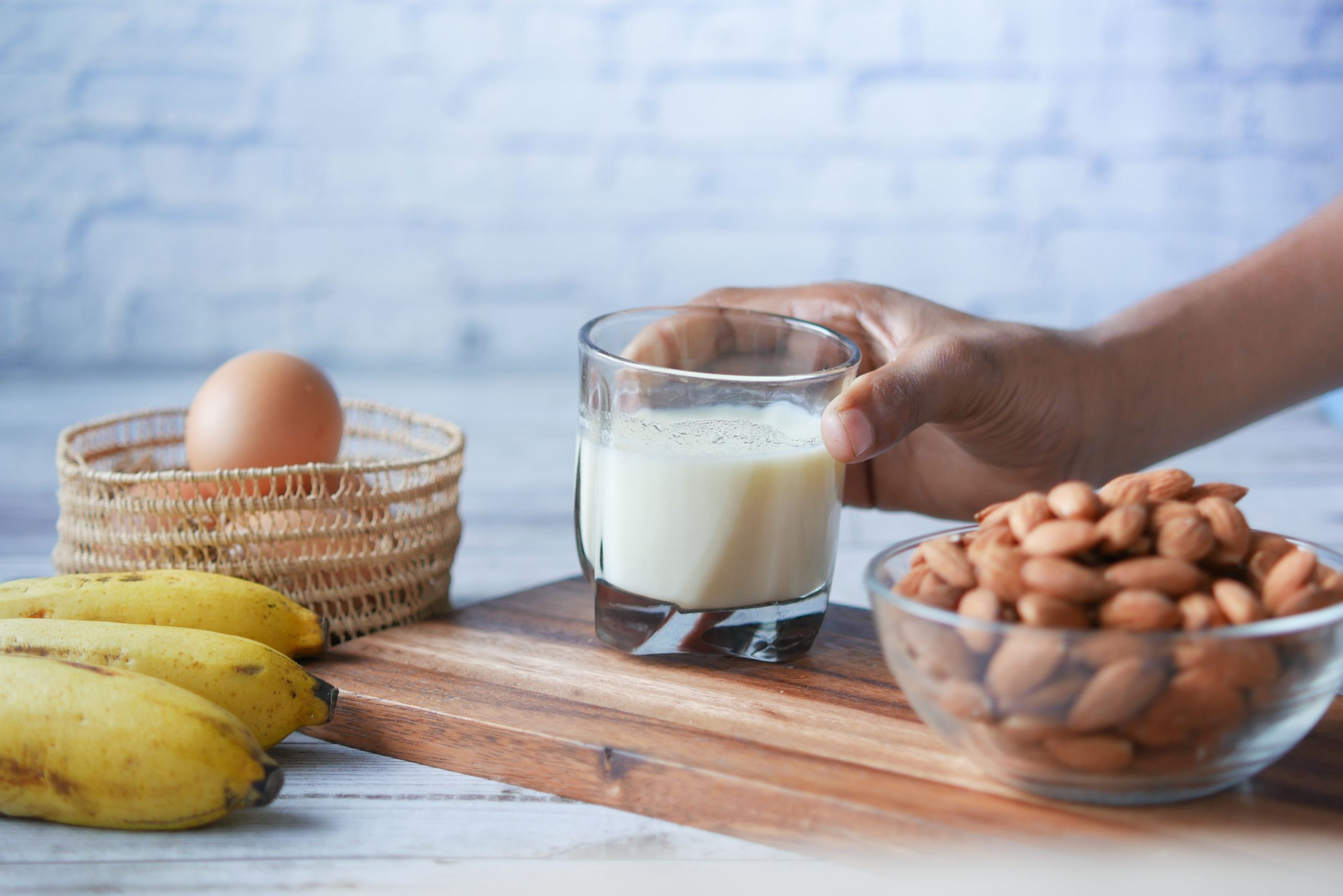
- Eggs
- Chicken
- Turkey
- Fish
- Greek yogurt
- Cottage cheese
- Milk
- Cheese
- Lean beef
These foods generally provide complete proteins containing all essential amino acids the body needs.
Plant-Based Protein Sources
Examples include:
- Lentils
- Beans
- Chickpeas
- Tofu
- Tempeh
- Edamame
- Nuts
- Seeds
- Nut butters
Plant-based proteins also provide fiber, vitamins, and minerals that support overall health.
The best approach is often one that includes a variety of nutritious foods rather than focusing on a single source.
Why Breakfast Deserves Special Attention
Many seniors consume very little protein in the morning.
A breakfast consisting only of toast, cereal, or fruit may not provide enough protein to support muscle health throughout the day.
Adding protein to breakfast can help support:
- Energy levels
- Satiety
- Strength maintenance
- Blood sugar stability
Simple high-protein breakfast ideas include:
- Eggs with whole grain toast
- Greek yogurt with berries
- Cottage cheese and fruit
- Oatmeal with nuts and seeds
- Protein smoothies
- Peanut butter on whole grain bread
These meals do not need to be elaborate. Small improvements can make a meaningful difference over time.
Helping Seniors With Low Appetite Eat More Protein
One of the biggest challenges caregivers face is helping seniors who simply do not feel hungry.
Large meals may feel overwhelming.
Instead, smaller protein-rich meals and snacks throughout the day often work better.
Helpful options include:
- Greek yogurt cups
- Hard-boiled eggs
- Cheese and crackers
- Smoothies
- Nut butter on toast
- Protein-enriched soups
- Cottage cheese with fruit
Offering familiar foods and creating a calm mealtime environment can also encourage better intake.
Sometimes companionship matters just as much as the meal itself. Seniors often eat more comfortably when sharing a meal with someone they trust.
The Emotional Side of Nourishment
Food is never only about nutrition.
Meals carry memories, traditions, and emotional meaning. A favorite recipe may remind someone of family gatherings decades ago. A warm breakfast may bring comfort on a difficult morning.
For seniors, eating well is often connected to feeling cared for, respected, and valued.
For caregivers, preparing a protein-rich meal is more than a nutritional task. It is an act of service and compassion.
Whether it is making a bowl of soup, preparing eggs for breakfast, or sharing lunch together, these small moments communicate something powerful:
“You matter.”
That message can nourish the heart as much as the body.
Caring for the Whole Person
Healthy aging involves more than individual nutrients.
Protein is important, but so are:
- Hydration
- Physical activity
- Social connection
- Rest
- Emotional wellbeing
- Purpose and community
The goal is not perfection. The goal is creating daily habits that support strength, dignity, and quality of life.
Aging may bring challenges, but it can also be a season filled with meaningful relationships, continued growth, and opportunities for care.
A Simple Reminder About Healthy Aging
Protein may not receive as much attention as vitamins, supplements, or trendy diets, but it remains one of the most important nutrients for older adults.
It supports strength when muscles naturally weaken. It helps recovery after illness. It contributes to balance, mobility, and independence. Most importantly, it helps seniors continue participating in the everyday moments that make life meaningful.
For caregivers and family members, encouraging protein-rich meals does not require complicated plans or expensive ingredients. Small, consistent choices often have the greatest impact.
A nourishing breakfast. A bowl of lentil soup. A serving of yogurt. A shared meal around the table.
These simple acts of care help support healthier aging, one meal at a time.
And in those everyday moments of nourishment, we are reminded that caring for our elderly neighbors and loved ones is not just about adding years to life—it is about helping them live those years with strength, dignity, comfort, and hope.